04 SIGNALS Environment system
Read the environment around your plan
Macro
Understand monetary policy, inflation, rates, labor, fiscal choices, currencies, trade, and the data behind economic narratives.
04 / Sector promise Use macro information to frame decisions—not to manufacture certainty. Open the category map
Core guides
A practical place to start.
Learn the method, check the tradeoffs, then continue to a working tool or a connected guide.
Category map
Find the part of macro that matches the decision.
Filters change the map without creating deep category directories or moving guide URLs.
On smaller screens, swipe horizontally to reach every category filter.
01 Monetary policy Track central-bank objectives, tools, communication, and transmission into financial conditions.
- What is the policy objective?
- Which channel carries the effect?
02 Inflation Separate price levels, inflation rates, categories, expectations, and lived household effects.
- Which measure is being cited?
- Is the change broad or concentrated?
03 Rates & liquidity Connect policy rates, market yields, credit conditions, and liquidity to household and market outcomes.
- Which rate matters to this decision?
- Is financing becoming easier or harder?
04 Labor & growth Interpret employment, wages, productivity, output, and the uneven distribution of growth.
- Is the trend broad-based?
- What does the revision change?
05 Fiscal policy & debt Evaluate taxes, spending, deficits, public debt, and the political choices behind them.
- Is the effect cyclical or structural?
- Who bears the cost and when?
06 Currencies Understand exchange rates, purchasing power, capital flows, and cross-border exposure.
- Which currency is the liability in?
- What risk is being hedged?
07 Trade & global economics Examine supply chains, tariffs, trade balances, development, and international policy spillovers.
- Where is the bottleneck?
- Which country-specific rule matters?
08 Data & indicators Read releases, revisions, seasonal adjustments, baselines, and uncertainty before drawing conclusions.
- What exactly is measured?
- How reliable is the first release?
09 Market structure Understand institutions, plumbing, incentives, and mechanisms beneath market headlines.
- Who is the marginal participant?
- What changes when liquidity disappears?
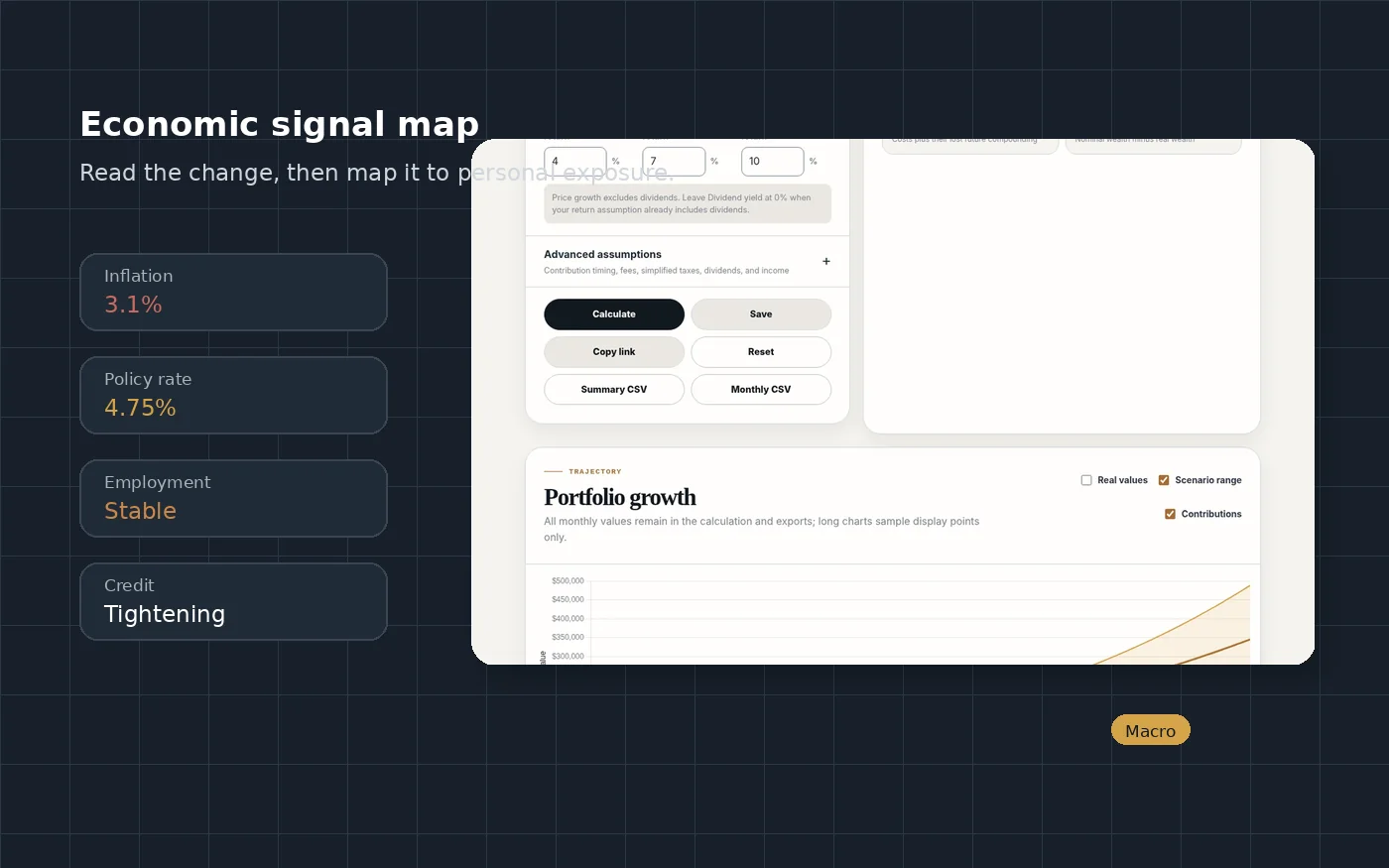
AI image · credits
AI-generated editorial image by Nortune · Photo reference: Mike Shinzo (Pexels License)A repeatable sequence
Economic signal map
Read indicators as connected signals rather than isolated headlines.
- 01 Prices
Observe the breadth and persistence of inflation.
- 02 Employment
Track demand for labor, wages, and participation.
- 03 Growth
Distinguish nominal activity from real expansion.
- 04 Policy
Identify the response function and constraints.
- 05 Liquidity
Watch the availability and price of financing.
- 06 Credit
See whether households and firms can transmit policy.
Guide
Use the macro library.
Every entry keeps its canonical hub URL while categories remain flexible filters.
 04 SIGNALS How to Read Inflation Data Inflation releases are more useful when monthly noise, longer trends, category weights, and personal spending are kept separate. Open
  04 SIGNALS How a Fed Rate Change Reaches You A Federal Reserve rate change moves through markets, banks, borrowers, spending, and prices at different speeds; household decisions should follow the actual contract, not the headline. Open
  04 SIGNALS Did Your Raise Beat Inflation? Compare Your Pay’s Buying Power Use the ratio of pay growth to price growth—not a mismatched headline rate—to see whether purchasing power improved. Open
 Current context
News connected to macro.
Stories remain canonical under News while this hub provides the evergreen decision framework.
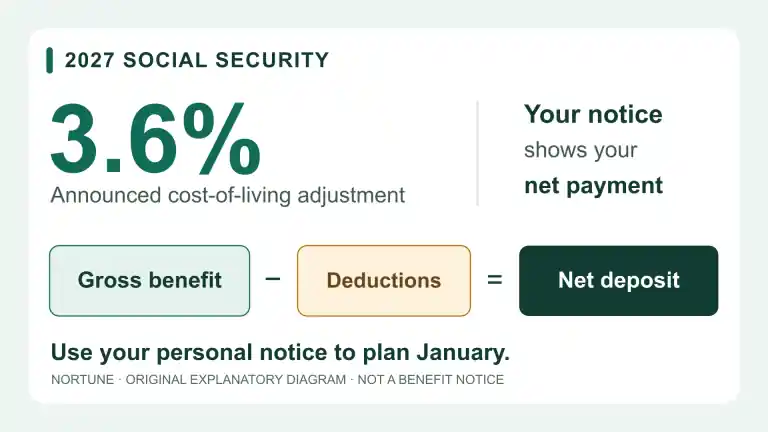
Turn the page into action
Next-step checklist
- Read the release definition before the headline.
- Check revisions and base effects.
- Separate national averages from personal exposure.
- Treat forecasts as scenarios, not facts.